
The Arctic Debrief: NORAD scrambles Jets to intercept Russian bombers, fighter jets, and spy plane
The Arctic Debrief is a newsletter covering the most important developments in the Arctic region.

In this edition:
- NORAD scrambles Jets to intercept Russian bombers, fighter jets, and spy plane
- Canada launches year-round Arctic operations
- Norway acquires missile systems from Hanwha for Arctic defence
Latest Developments
NORAD scrambles Jets to intercept Russian bombers, fighter jets, and spy plane
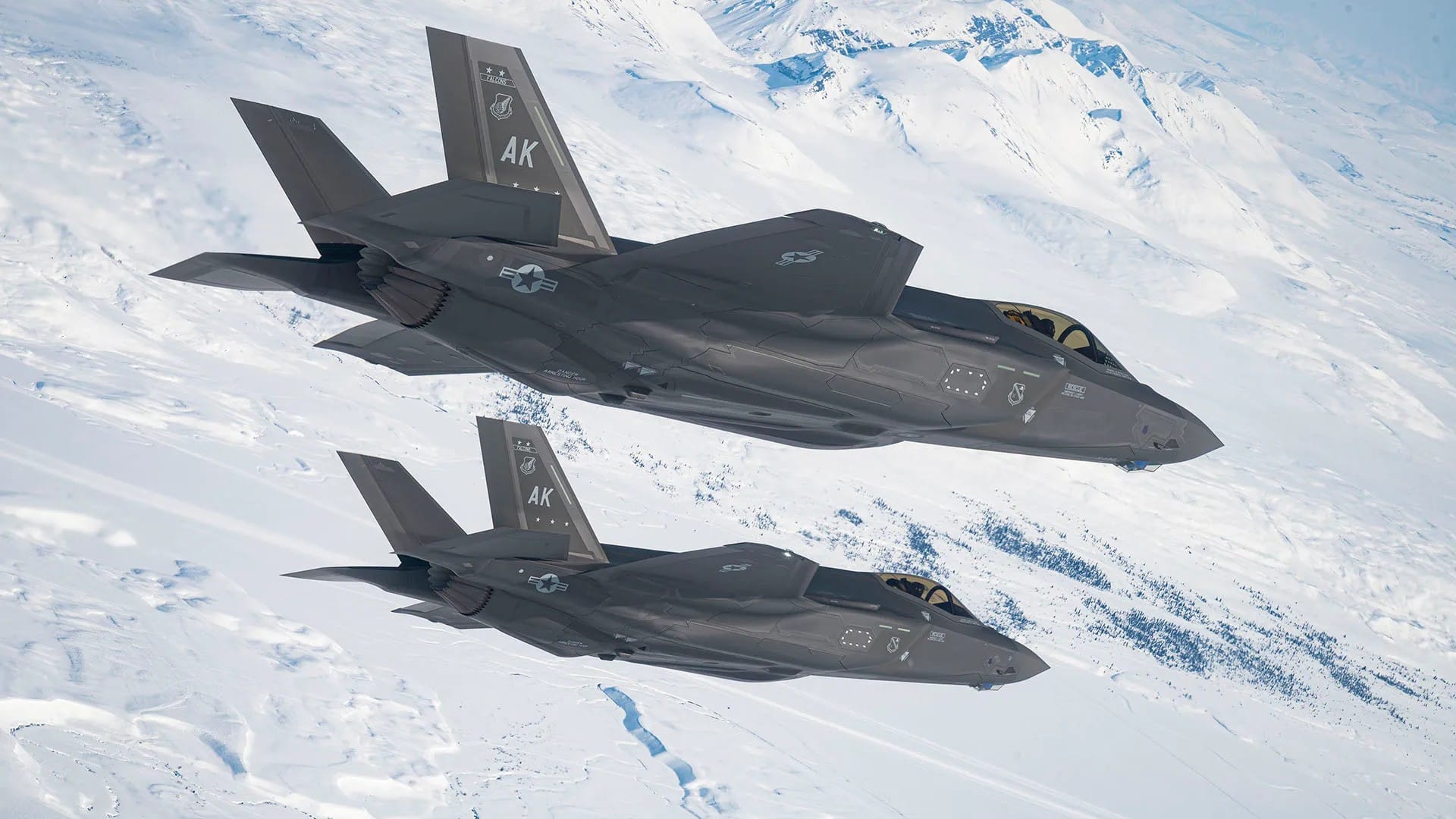
Two Russian Tu-95s bombers, two Su-35s fighter planes and an A-50 spy plane were intercepted by U.S. aircraft off the coast of Alaska after they were detected within the Alaskan Air Defense Identification Zone (ADIZ).
In response to the incursion, the North American Aerospace Defense Command (NORAD) scrambled two F-16s, two F-35s and four KC-135s to escort the Russian aircraft out of the Alaskan ADIZ.
These types of incidents have taken place more often with Russia increasing their frequency since its invasion of Ukraine.
In July 2024, Russia and China conducted its first ever joint fly by, which was also monitored and intercepted by NORAD.
Canada launches year-round Arctic operations
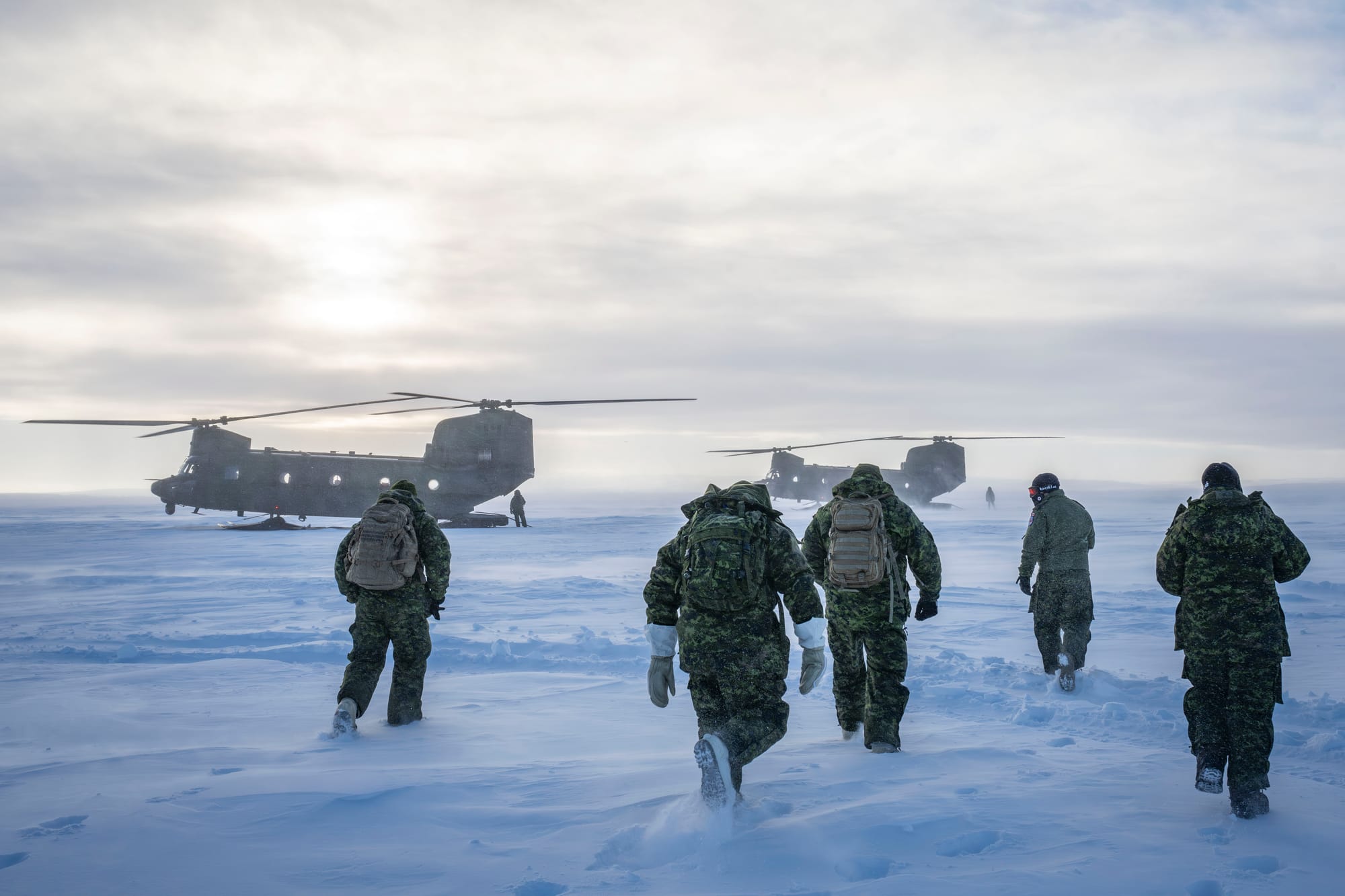
The Canadian Armed Forces (CAF) are kicking off this year's series of military exercises with Operation NANOOK‑NUNALIVUT, which will focus on long‑range sustainment along the Northwest Passage and defensive activities throughout much of its Arctic coastline in Yukon, Northwest Territories, and Nunavut.
Canadian National Defence Minister David J. McGuinty commented on the beginning of these operations.
“Canadian sovereignty is inseparable from a strong and credible Arctic defence. As strategic competition accelerates and adversaries expand their military reach across the circumpolar region, Canada is acting with purpose and resolve," he said in a Feb. 19 press release. "By strengthening domain awareness, modernizing northern capabilities, and deepening integration with allies and partners, the Canadian Armed Forces are enhancing deterrence and ensuring persistent presence in the North.”
The government announced that additional "NANOOK" operations will run sequentially—and in some cases concurrently—throughout the year:
- NANOOK‑NUNAKPUT (all‑domain activities along the Northwest Passage);
- NANOOK‑TUUGAALIK (maritime interoperability with the Canadian Coast Guard and NATO allies);
- NANOOK‑TAKUNIQ (air‑land integration, including Canadian Ranger patrols);
- NANOOK‑TATIGIIT (whole‑of‑government crisis response); and
- NANOOK‑QIMAAVIVUT (military engineering and infrastructure tasks).
In addition to Operation NANOOK, the CAF will continue to conduct Operation LIMPID, Operation BOXTOP, and Operation LATITUDE:
- Operation LIMPID is a continuous all-domain surveillance-based mission to detect threats to Canada’s security and sovereignty as early as possible.
- Operation BOXTOP is a logistics mission to resupply Canadian Forces Station Alert to enable the year-round presence of the stationed CAF members.
- Operation LATITUDE is a maritime focused operation dedicated to detection, deterrence, and defence against potential threats in the western Arctic and its approaches.
Hanwha secures Norway MLRS purchase; Pushes for Canadian Submarine contract
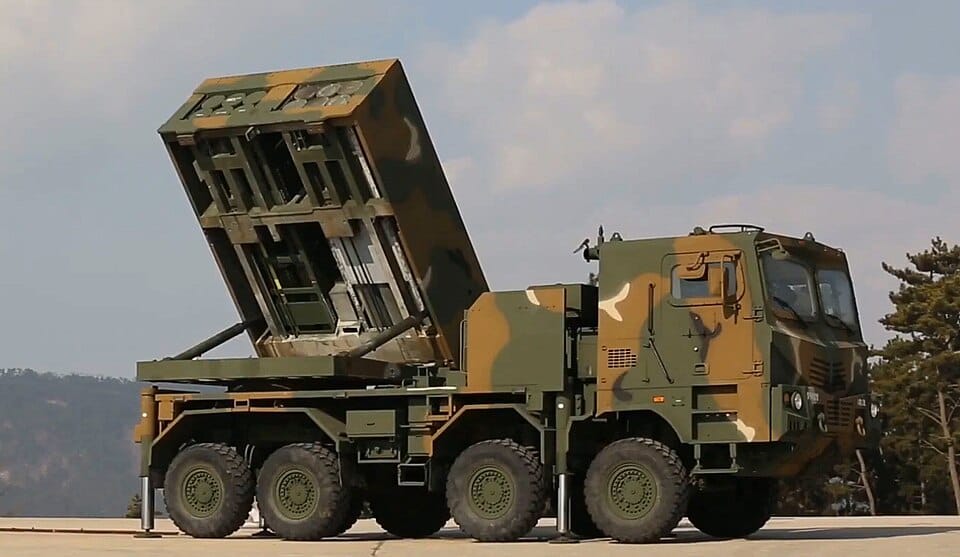
Norway has signed a $2 billion contract with South Korean conglomerate Hanwha Group's aerospace division to receive long-range artillery systems and rockets.
The decision to acquire the missile systems was directly connected to their effectiveness shown throughout Russia's invasion of Ukraine.
Norway will acquire 16 launch systems and an undisclosed number of rockets, according to Norway's ministry of defence. The launch systems and training materials will be delivered in 2028 and 2029, and the munitions will come in 2030 and 2031.
Last year Hanwha Aerospace signed an agreement with Polish defence manufacturer WB Electronics to produce various munitions on European soil. This includes the missiles used by the Chunmoo.
The procurement contract was secured by Korea's K239 Chunmoo, which was competing against Lockheed Martin's HIMARS. Both systems fulfilled the firing range requirement (a firing distance of up to 500km) and had a tighter delivery schedule.
Reportedly, some Nordic countries proposed to developing a native launch system, but Norway saw the project as too costly and time-consuming.
Across the Atlantic, Hanwha is ramping up efforts lobbying the Canadian government to secure the contract to replace the Royal Canadian Navy's aging submarine fleet.
Hanwha Ocean, the company's shipbuilding division, is heavily advocating for its KS-III submarine to be adopted by the Canadian navy which is looking for a replacement that will be able to conduct missions in the Indo-Pacific and the Arctic.
The only other remaining competitor in Canada's procurement process is Germany's Thyssenkrupp offering its Type 212C submarine.
If you are enjoying the newsletter and are looking forward to the podcast it would be a great help if you share the newsletter or the Arctic Pod Patreon page. Thank you for you continued support!