
The Arctic Debrief: Air Greenland to take on Arctic surveillance role
The Arctic Debrief is a newsletter covering the most important developments in the High North.

In this edition:
- Air Greenland to take on Arctic surveillance role
- China expands port terminal to receive Russian Arctic LNG 2 deliveries
- F-35s escort Russian Tu-160 bombers out of Norwegian airspace
Latest Developments
Air Greenland to take on Arctic surveillance role

The Danish government has signed a 1.63 billion Danish kroner ($250 million) agreement with Air Greenland to carry out Arctic surveillance and transport missions. This was previously carried out by the Danish military.
Following earlier drama with the United States, which repeatedly claimed it needs to take control of Greenland for national security reasons, Denmark has set out to increase its military presence in Greenland and involve the regional government in the process.
Denmark and Air Greenland signed an agreement, which is pending parliamentary approval, which would see the private company provide and operate two aircraft fitted to perform surveillance, transport, and search-and-rescue missions. This agreement is set to last from 2028 to 2037.
These missions are currently performed by the Royal Danish Air Force's Challenger aircraft, which have been deemed as outdated and aging by the air force. Additionally this move grants more autonomy to Greenland, a key issue that its government has been pursuing.
Air Greenland's aircraft will be equipped with additional fuel tanks as well as relevant sensor and monitoring systems, according to a statement from the Danish government.
China expands port terminal to receive Russian Arctic LNG 2 deliveries
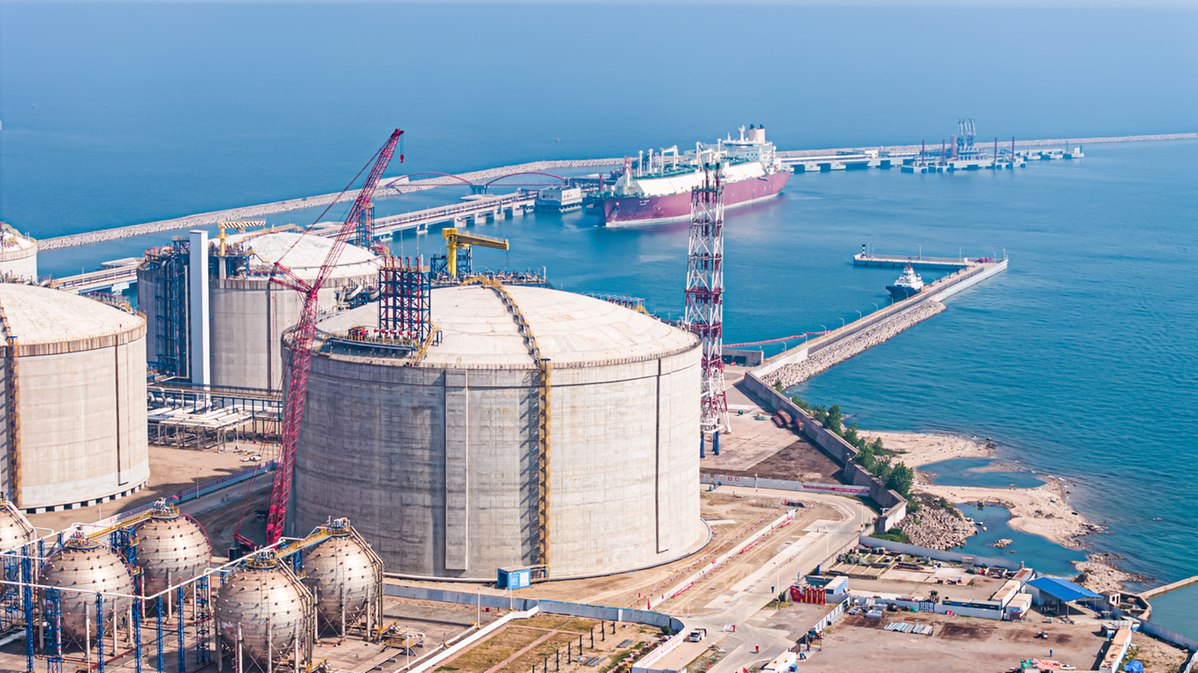
A new import terminal is being constructed in the Shandong province on China's eastern coast to accept natural gas deliveries from Russia's Arctic LNG 2 project. PipeChina is constructing a new facility at Longkou LNG terminal, which is expected to begin operation in October.
This will be China's second LNG import point with the first being Beihai LNG terminal in southern China, which is also owned by PipeChina.
With the Longkou LNG terminal being on China's eastern coast, Russia can make deliveries over the Northern Sea Route when it is accessible. This route also cuts a ship's journey by about 3,000Km.
Another reason that Russia prefers using the Northern Sea Route is due to European nations' increased efforts to board and detain "shadow fleet" vessels.
The new LNG terminal will enable Russia to increase the export of sanctioned natural gas from the Arctic LNG 2 project, which has significantly impacted the bottom line of independent Russian natural gas producer PJSC Novatek. The company is also set on expanding the project with Chinese vessels delivering modules to complete an additional train.
While the company faces potential Western sanctions by allowing Russian LNG deliveries, it may be worth the risk as the gas is likely sold at a considerably lower price.
Russia kicks off summer Arctic shipping season
Two Russian shadow fleet vessels have begun their journey through the Northern Sea Route (NSR) towards China as the summer heat makes it traversable.
One of the vessels was loaded with LNG from the Yamal LNG plant and the other from the Arctic LNG 2 plant. Both ships are headed east across the NSR towards a final destination somewhere in China. Although these are just the first two ships making their way across the NSR, it is likely that more will follow suit over the next few weeks.
F-35s escort Russian Tu-160 bombers out of Norwegian airspace
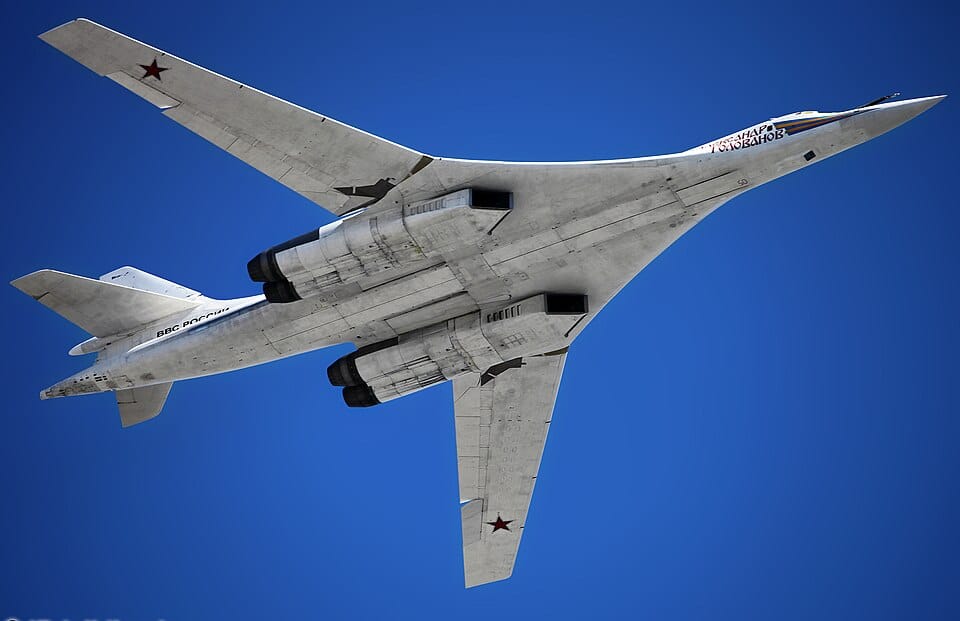
NATO scrambled F-35s fighter jets in response to Russian Tupolev Tu-160 heavy bombers, escorted by MiG-31 interceptor jets, flying by Norway's northern coast.
The Russian planes flew out of Russia, across the Barents Sea, past air space above northern Norway before reaching international airspace north of the Norwegian Sea and returning to an undisclosed base in Russia.
Typically, Tu-160 bombers comnducting missions in the Arctic would be stationed at the Olenya Air Base on the Kola Peninsula. However, a Russian MOD account published a video of the exercise and shows the planes landing in the dark, meaning the planes could not be at Olenya as it is located above the Arctic Circle the area and is currently experiencing a midnight sun, meaning the sun does not set for months.
The flight lasted 16 hours, enabled by a mid-air refueling operation, according to the Russian Ministry of Defence. Russian Tu-95s conducted a mission along a similar route last month.
The Tu-160, the USSR's response to America's Rockwell B-1 Lancer, nuclear-capable supersonic, variable-sweep wing heavy strategic bomber. The bomber, alongside the Tu-95 and Tu-22M, makes up the majority of Russia's strategic bomber fleet.
If you are enjoying the newsletter and are looking forward to the podcast it would be a great help if you share the newsletter or the Arctic Pod Patreon page. Thank you for you continued support!