
The Arctic Debrief: NATO intensifies efforts to thwart Russia's shadow fleet
The Arctic Debrief is a newsletter covering the most important developments in the Arctic region.

In this edition:
- NATO intensifies efforts to thwart Russia's shadow fleet
- US Marine Corp to increase its Arctic readiness
- China ships out components built for Russia's Arctic LNG 2 plant
Latest Developments
NATO intensifies efforts to thwart Russia's shadow fleet
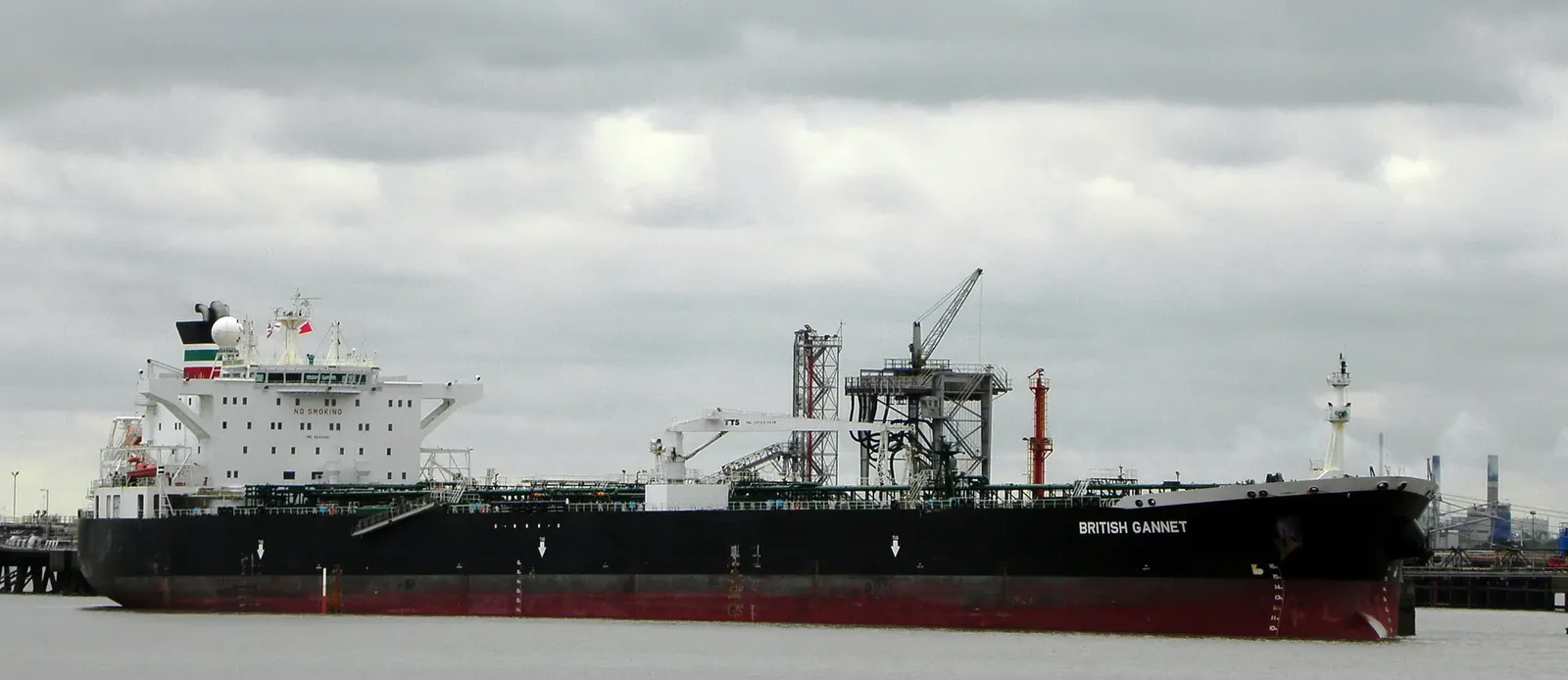
NATO members have increased operations targeting Russia's "shadow fleet" vessels which are used to subvert western sanctions on oil exports.
The most recent incident involved the French Navy boarding an oil tanker, the Tagor, as it travelled through the Atlantic. French President Emmanuel Macron discussed the incident on X (Twitter) and published an accompanying clip showing clips from the operation.
La Marine nationale a arraisonné hier matin un nouveau pétrolier sous sanctions internationales en provenance de Russie : le Tagor. Notre détermination est constante et totale.
— Emmanuel Macron (@EmmanuelMacron) June 1, 2026
Cette intervention a été effectuée en Atlantique, en haute mer,… pic.twitter.com/zxEslYjbUE
Macron notes that the operation took place in international waters (off the coast of Brittany) and with the support of several partners including the United Kingdom.
"It is unacceptable for ships to circumvent international sanctions, violate the law of the sea, and fund the war that Russia has been waging against Ukraine for more than 4 years," reads Macron's tweet in French. "These vessels, which fail to adhere to the most basic rules of maritime navigation, also pose a threat to the environment and to everyone's safety."
The vessel departed from Murmansk, Russia, and repeatedly turned off or spoofed its tracker to obscure its location and course.
This is just one of many operations where NATO members have boarded Russian-linked vessels suspected of violating western sanctions. Earlier in May, the Swedish Coast Guard boarded and detained another cargo ship, the Jin Hui, which flew a false flag as it was sailing through the Baltic Sea. It was also noted that there were concerns about the vessel’s seaworthiness.
The ship is currently under sanctions from the European Union, the United Kingdom, and Ukraine.
There have been many similar incidents since the beginning of 2026 as NATO allies intensified efforts to counter Russia's shadow fleet.
This is part of an organized effort through individual country's own initiatives, but also under NATO's Operation Baltic Sentry, which has member states patrolling regional waters in an attempt to thwart Russia's attempts to sabotage and map out undersea infrastructure.
US Marine Corp to increase its Arctic readiness

The United States Marine Corps announced the launch of "Campaign Alaska," a strategic initiative aimed at improving its operational capabilities in the Arctic.
The initiative consists of two main concepts: the Marine Rotational Force - Alaska (MRF - Alaska) and the establishment of the Supporting Arms Liaison Team - Alaska (SALT - Alaska). The focus of this effort is to ensure that the Marine Corps is capable of operating in the extreme conditions, while showing adversaries and allies that the United states is taking the region's importance seriously.
“In this era of strategic competition, Alaska is critical to homeland defense and a vital theater for global power projection in the Arctic," said Lt. Gen. Bobbi Shea, Commanding General of Marine Forces Northern Command. “The Marine Corps Campaign - Alaska is a deliberate and necessary step to ensure we provide the Joint Force with a combat-credible force to support the National Defense Strategy.”
Troops within MRF - Alaska will conduct regular multi-domain expeditionary training by participating in joint exercises including Arctic Edge and Red Flag. The primary goal of the exercise will be to improve interoperability with allied forces, deter adversaries, and promote regional stability.
In addition to the rotational force, Marine Corps Forces Reserve established SALT - Alaska as a permanent detachment of the 6th Air Naval Gunfire Liaison Company at Joint Base Elmendorf - Richardson. SALT - Alaska will focus on expanding training and operational activities and will coordinate with Joint Forces, allies and local communities. By 2027, the team will provide a permanent Marine Corps presence in Alaska, ensuring continuity in Arctic operations and positioning the force for rapid expansion when necessary.
China ships out components built for Russia's Arctic LNG 2 plant
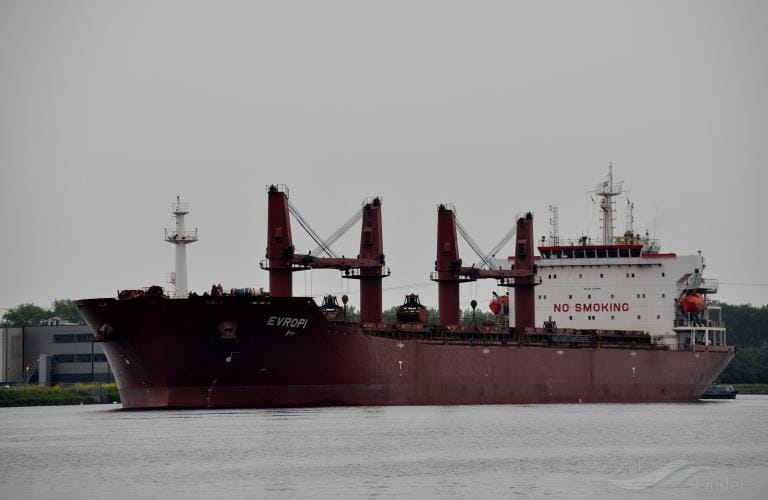
Following a two year break, China is shipping two pipe rack modules, which were initially built to complete the third terminal at Russia's Arctic LNG 2 plant, towards the Arctic.
The vessels carrying the components, Glory Ocean and Bright Ocean, have left China in late April and were tracked with satellite imagery. The current location of the ships is somewhere in the Indian Ocean and their destination is set to Kirkenes, Norway.
However, this follows a pattern of previous ships that have delivered parts to sanctioned Russian projects. Vessels indicate that they are travelling from China towards Kirkenes, but then they switch course to Murmansk. Novatek, owner of Arctic LNG 2 and other LNG projects, has a significant presence in Murmansk where it operates an assembly yard.
The ships are carrying the 3-TMR-001 and 3-TMR-002 modules. The components could be used to complete the 3rd terminal of the Arctic LNG 2 plant to increase its LNG production, but could also be used for other existing or future projects.
The Arctic LNG 2 project has been increasingly sanctioned since Russia's invasion of Ukraine in 2022. The project had western investors abandon the project and by 2024 even Chinese companies decided to not make deliveries as it would lead to heavy sanctions from the US and EU.
On June 3rd, 2026, Putin granted permission to TotalEnergies SE (a French investor) to sell its 10% stake in Arctic LNG 2 to NordLine LLC, a newly established subsidiary of Novatek. Since the invasion TotalEnergies indicates its desire to part with the project and claims it did not take any revenue from the plants production.
LNG is crucial source of funding for the Russian government and has been the target of sanctions and Ukrainian drone operations which seek to cripple the LNG and oil and gas networks throughout the country.
For a deeper dive into the shipment check out The High North's reporting on this topic.
If you are enjoying the newsletter and are looking forward to the podcast it would be a great help if you share the newsletter or the Arctic Pod Patreon page. Thank you for you continued support!