The Arctic Debrief: Trump to expand U.S. military presence in Greenland following security deal signing
The Arctic Debrief is a newsletter covering the most important developments in the High North.
In this edition:
- Trump to expand U.S. military presence in Greenland following security deal signing
- Canada applies to join British-led Joint Expeditionary Force
- Canada and Norway sign agreement to deepen defence ties in Arctic region
Latest Developments
Trump to expand U.S. military presence in Greenland following security deal signing
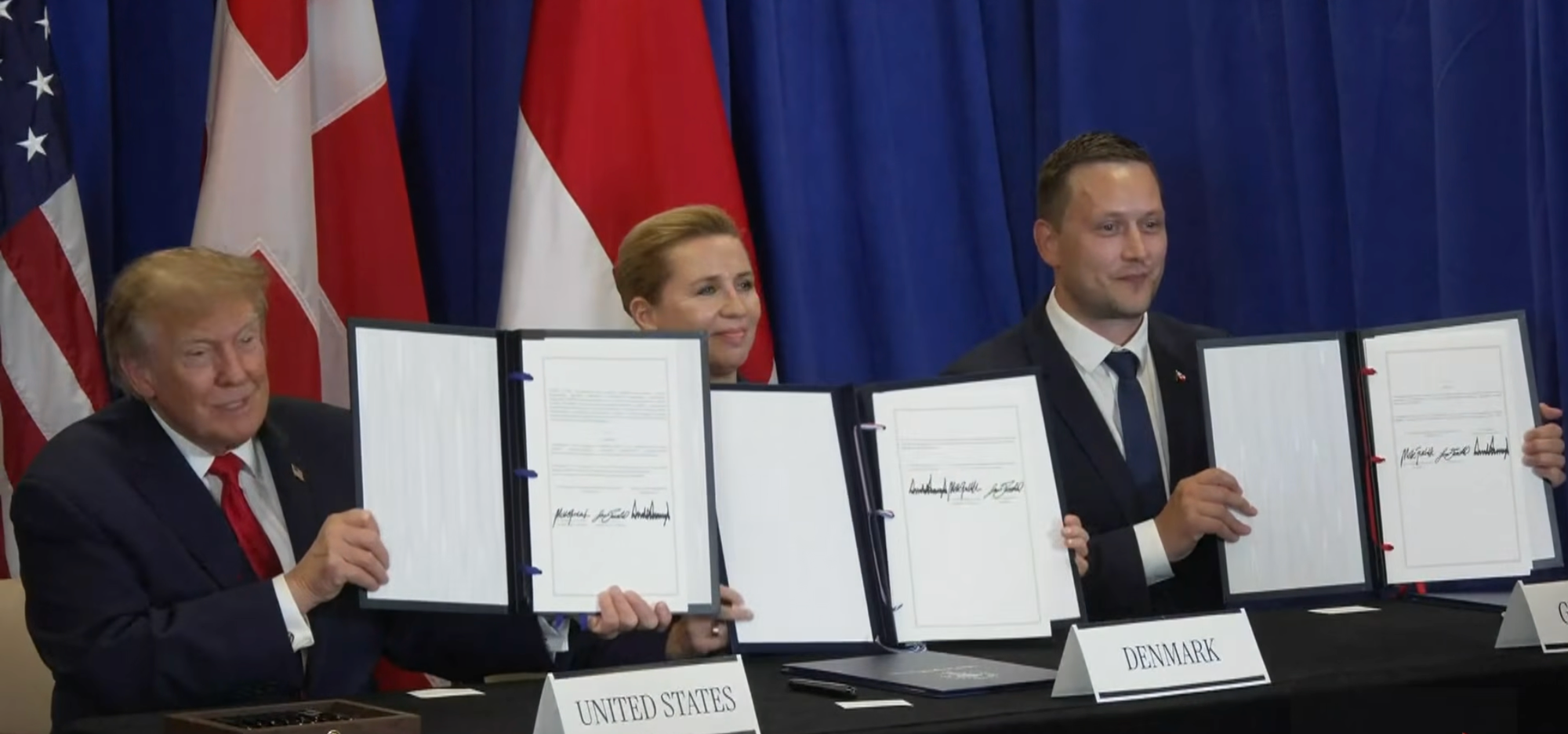
U.S. President Donald Trump signed an agreement with Denmark and Greenland meant to bolster America's military presence on the island.
The agreement, which was published following its signing on the sidelines of the United Nations General Assembly, allows the U.S. to expand its existing Pituffik Space Base, and establish "defence areas" in Narsarsuaq and Mestersvig. The specific text of the agrement states that the U.S. “may establish additional defense areas in Greenland and strengthen its military operations or facilities.”
Speaking before the UN General Assembly, Trump said that America "will immediately begin the process of developing a large military presence in the appropriate locations,” including “building two very major military bases.”
The document grants the U.S. military "wide mobility" across Greenland's territory, including undersea access.
The agreement also preserves Danish sovereignty over Greenland, however, it includes a stipulation that if Greenland gains independence from Denmark the agreement will remain in effect. The agreement itself does not have a set expiry date.
Previously, Trump and other members of his administration noted that Greenland is crucial for American national security and that the U.S. needs to "take Greenland" before Russia or China. He also threatened that “one way or the other, we’re going to have Greenland.”
Although Trump's administration boasts this deal as a major win for America, it does not significantly expand beyond what the 1951 Defense of Greenland Agreement already permitted the U.S. to do on the island. Although U.S. presence was reduced to its Pituffik Space Base in the early 2000s, the existing agreement allowed the U.S. to engage with the Danish government to expand its presence without any threats.
Perhaps the most notable change in this agreement is that Greenland is seen as an independent party, where as the Defense of Greenland Agreement was only between the U.S. and Denmark.
Canada applies to join British-led Joint Expeditionary Force
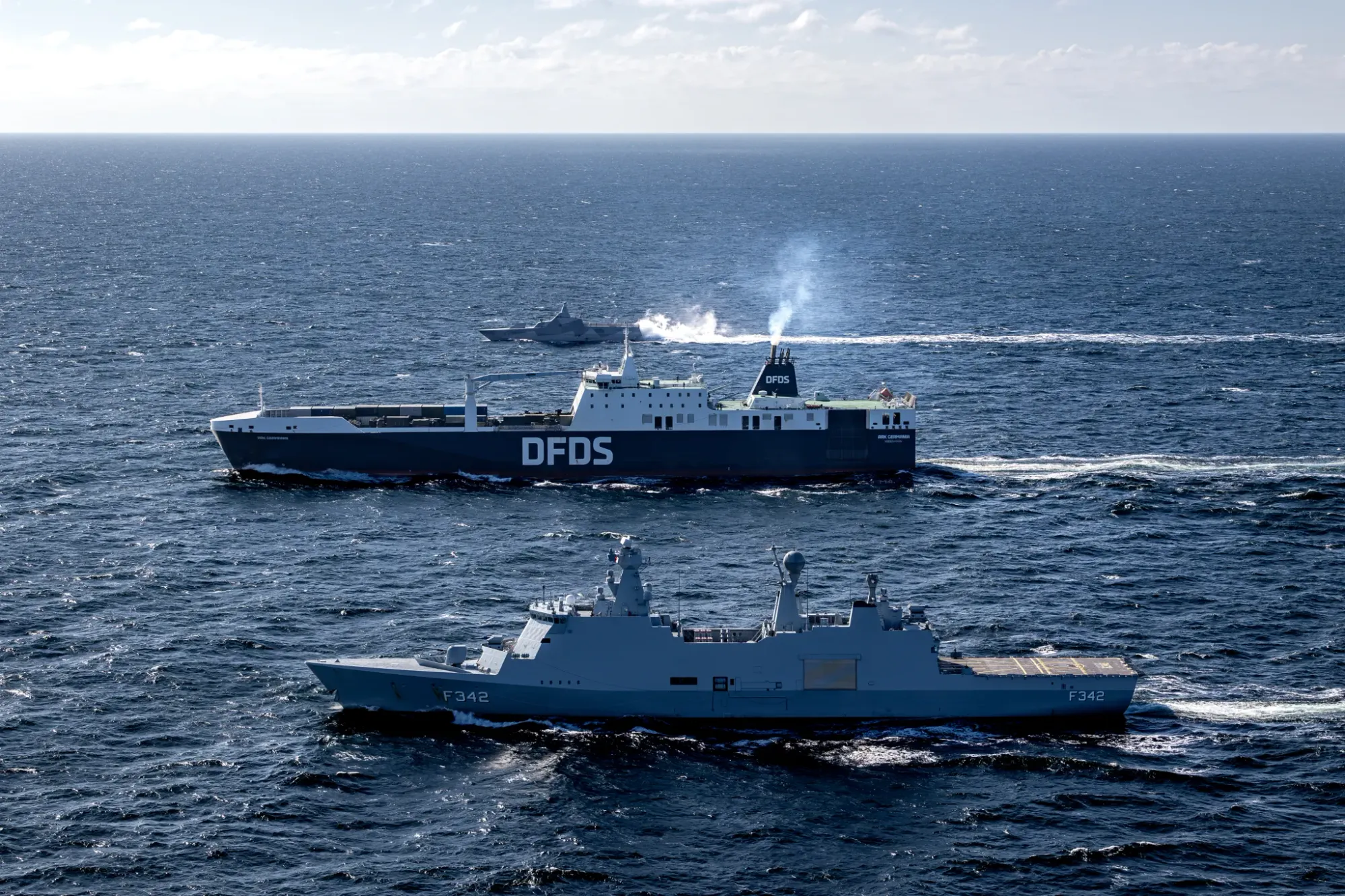
Prime Minister Mark Carney announced that Canada has formally applied to join the Joint Expeditionary Force (JEF) led by the United Kingdom.
The announcement came following Carney's meeting with UK Prime Minister Andy Burnham on Sept. 16, 2026. Improving Arctic security and increasing national defence spending has been a pivotal part of Carney's government agenda.
Then-conservative prime minister Stephen Harper refused to join the JEF when it was originally formed in 2014. This was at a time that defence spending was severely cut by the conservative government and the Canadian military was reluctant to join the coalition.
The JEF is comprised of the UK and nine other northern European nations. This includes Denmark, Estonia, Finland, Iceland, Latvia, Lithuania, Netherlands, Norway, and Sweden.
While all participants of the JEF are also NATO members, the two are distinct organizations and can act independently of each other. The JEF does not have a clause equivalent to NATO article 5.
With most JEF members being Arctic or near-Arctic states they often conduct training exercises focusing on Arctic Warfare and have extensive operational knowledge in high north conditions.
Canada and Norway sign agreement to deepen defence ties in Arctic region
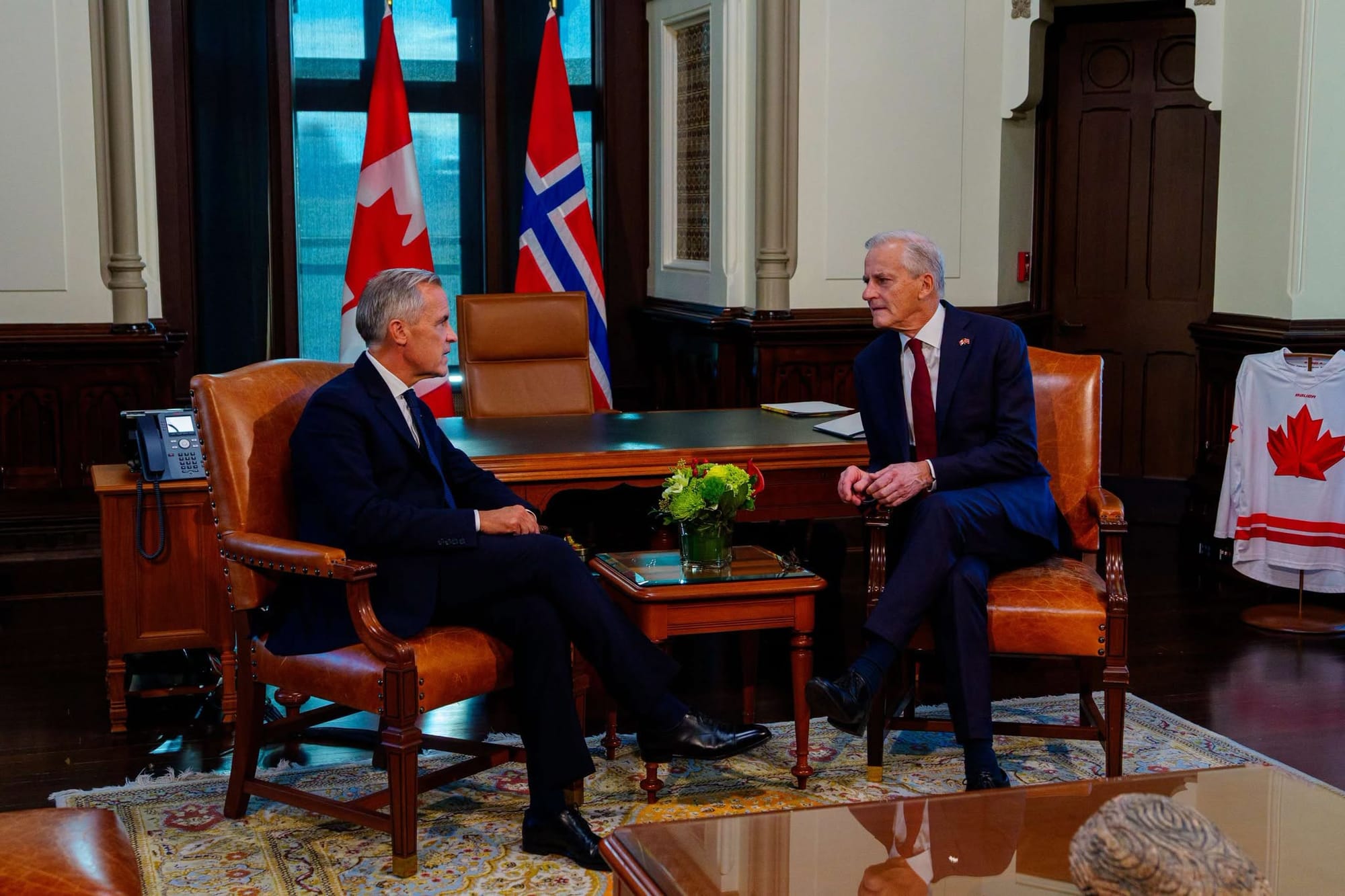
Prime Minister Mark Carney and Prime Minister Jonas Gahr Støre announced during a Sept. 20 meeting in Ottawa that Canada and Norway are working towards signing an "enhanced Defence Cooperation Agreement" that seeks to further deepen the two nations' defence cooperation, including a focus on Arctic deterrence and defence.
The two nations will improve cooperation across key areas, including strategic surveillance, situational awareness, interoperability, and research and development. Additionally, both countries are going to conduct additional joint training exercises in Arctic waters.
Carney and Støre discussed efforts to improve industrial and economic cooperation between the two nations, highlighting Canada's recent decision to acquire the German-Norwegian Type 212CD submarines as part of the Canadian Patrol Submarine Project, which aims to replace the Royal Canadian Navy's aging Victoria-class submarine fleet.
The project is estimated to have a final price tag of $80-100 billion CAD, with the first fourth Type 212CD subs entering service in 2034. This project is set to provide economic benefits to Canada and Norway across the submarines' life cycle, which includes additional parts, repairs, and maintenance.
There are also plans for the Canadian Space Agency and the Norwegian Space Agency to work together on improving and delivering new space capabilities that will provide both countries with dual-use technology "to support Arctic and northern needs" and "strengthen coordination and information sharing."
Lastly, the two countries have agreed to cooperate on building resilient critical minerals value chains as both countries have access to natural resources that are becoming increasingly sought after.
The RCN is looking to purchase 12 new submarines with some estimates putting the final price tag between $80 billion and $100 billion (in Canadian Dollars). This accounts for the initial price of the submarine and maintaince of the submarine.
If you are enjoying the newsletter and are looking forward to the podcast it would be a great help if you share the newsletter or the Arctic Pod Patreon page. Thank you for you continued support!