The Arctic Debrief: Norway deploys special unit along Russian border to detect drone incursions
The Arctic Debrief is a newsletter covering the most important developments in the High North.
In this edition:
- Norway deploys special unit along Russian border to detect drone incursions
- Canada applies to join British-led Joint Expeditionary Force
- Canada and Norway sign agreement to deepen defence ties in Arctic region
Latest Developments
Norway deploys special unit along Russian border to detect drone incursions
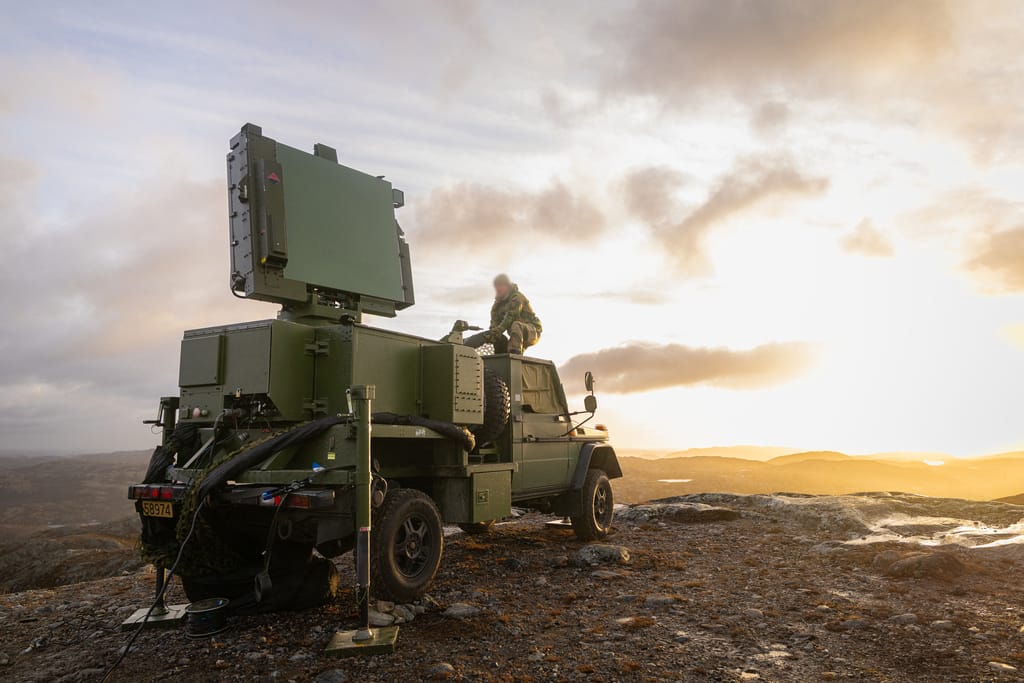
A new special unit is being deployed in Kirkenes, a Norwegian town bordering Russia's Murmansk Oblast, which will focus on unmanned aerial vehicles (UAV) detection amid an increase in drone incidents across Europe.
The unit, which will consist of "just over 30 troops" will operate NASAMS sensors to allow for early detection of drones entering Norwegian airspace. Additionally, the Sør-Varanger Ranger Battalion, which oversees Kirkenes, will be bolstered by 30 new soldiers. The Norwegian ministry of defence clarified that these are preventative measures and are not a reaction to any new threats.
The ministry noted that this new unit will be deployed with the Ranger Battalion at the garrison in Sør-Varanger until the end of the year, where they will train to quickly deploy personnel and equipment to a new area.
"The experience from Ukraine shows how important it is to have a good overview and receive early warning. These are sensors that will strengthen our ability to detect drones in Finnmark," said Norway's Minister of Defence Tore O. Sandvik.
Northern Norway has seen increasing activity of Russian ships exhibiting suspicious behaviour including mapping underwater infrastructure, spying on military exercises and other similar activities. Russian fishing vessels have previously been caught equipped with sophisticated equipment capable of remote surveillance, capturing radio communications and more.
Russian appeal to suspend arrest of Professor Molchanov dismissed by Norwegian courts
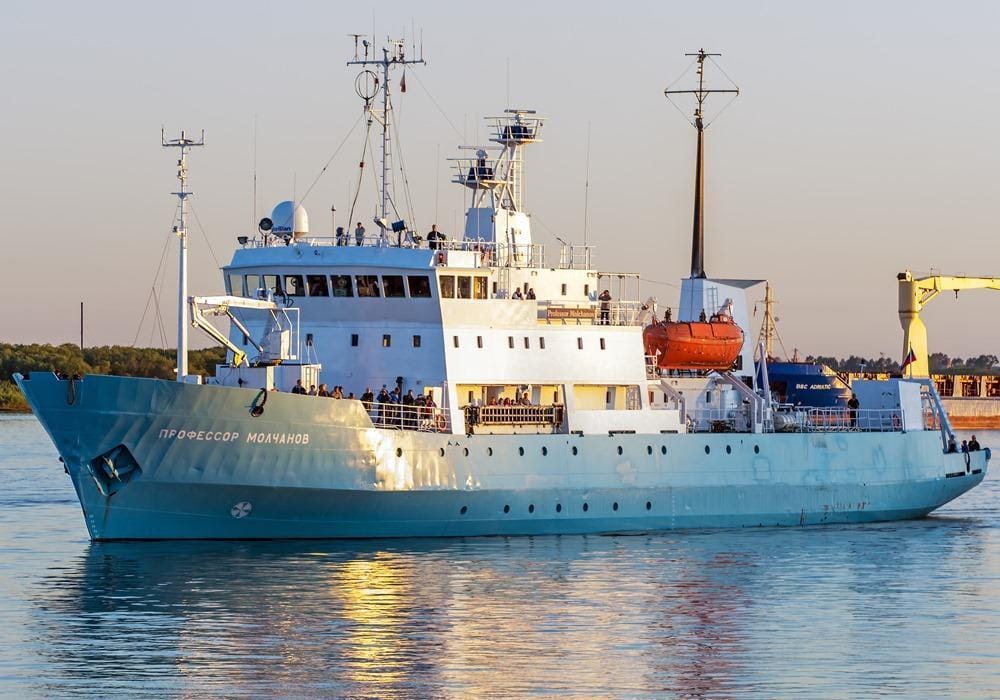
Arktikugol's appeal to suspend the arrest of the Professor Molchanov—a Russian research vessel detained by Norwegian authorities on Sept. 2, 2026, when it arrived at Svalbard—has been denied by a Norwegian court.
Arktikugol filed a claim to overturn the arrest, arguing that the vessel is pivotal in supplying Russia’s settlements on Svalbard. The ship was scheduled to make 10 trips between Russia and Svalbard this year.
However, a Norwegian court has rejected the company's appeal on grounds that the company does not own the ship, meaning it has no legal standing to challenge the Norwegian authorities’ decision to arrest it. It said that the Russian government is welcome to appeal the court decision, as the original case pertains to the state.
Additionally, the court ruled that Arktikugol must pay 2.8 million Norwegian kroner (~$300,000 USD) to cover Naftogaz' legal costs for the appeal. The payment must be made within two weeks of the decision.
The ship was detained due to an order from a Norwegian court to enforce part of a $4.22 billion compensation claim won by Ukrainian state energy firm Naftogaz after the Kremlin seized the company's assets in Crimea following the region's annexation in 2014. In 2023, The Permanent Court of Arbitration in the Hague ruled in favor of Naftogaz and Russia has since refused to pay the claim, legal fees, and interest. As such Naftogaz has sought to receive compensation by taking cases through local courts of various countries.
U.S., Japan, and South Korea strengthen Arctic Pacific cooperation
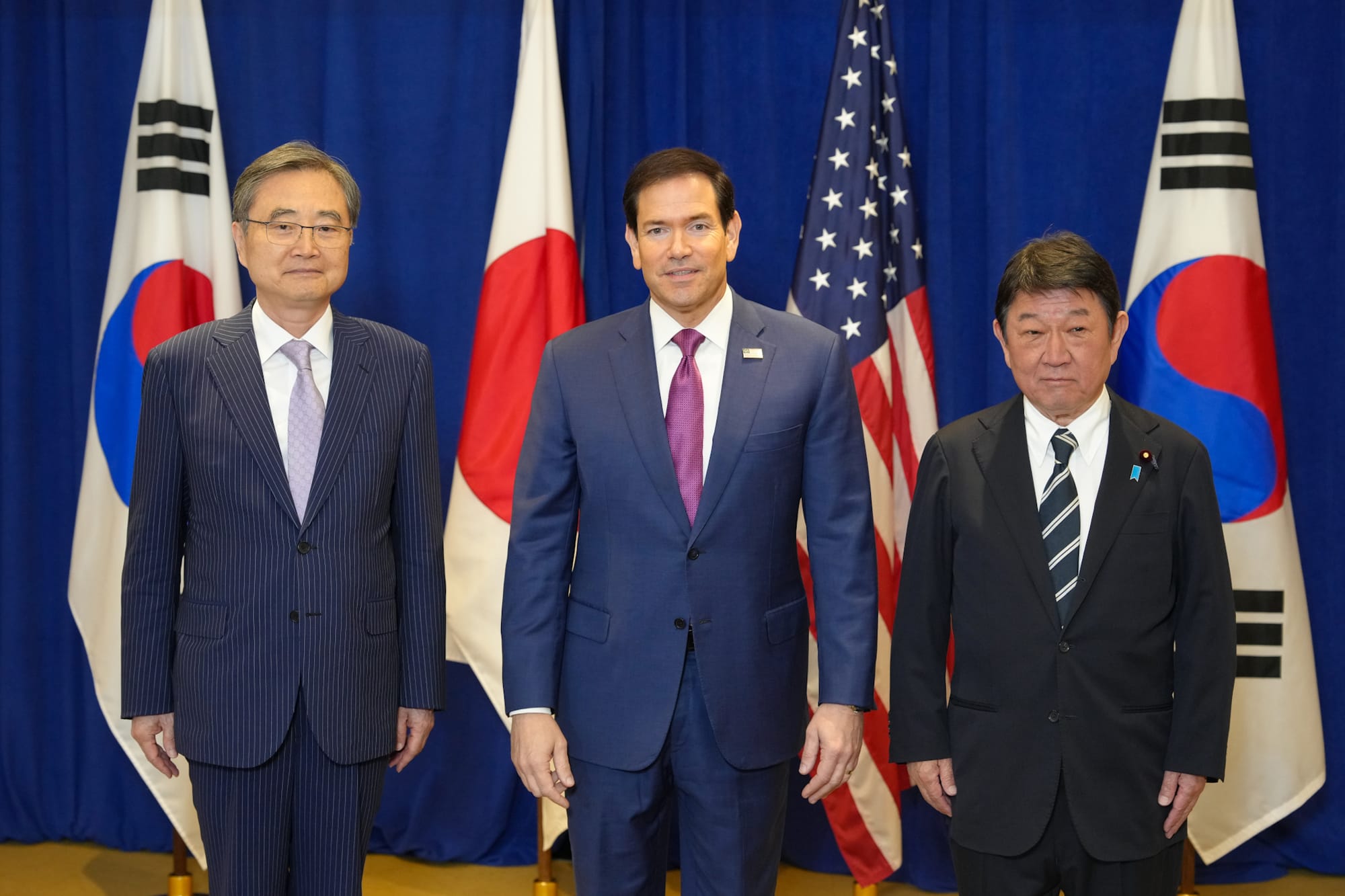
The Trilateral Arctic Pacific Partnership (TAPP) was signed by Foreign ministers Marco Rubio, Toshimitsu Motegi, and Cho Hyun during the G20 meeting in Atlanta, U.S., on October 30, 2026.
The partnership aims to strengthen cooperation between the United States, Japan, and South Korea in the Pacific Arctic region, with a particular focus on maritime safety, emergency response, and economic development.
The three countries intend to improve coordination and information sharing to strengthen their ability to respond to potential maritime incidents including improving preparedness for shipping accidents, environmental emergencies, and other incidents. This is in response to increasing maritime activity in the Arctic, which has been steadily increasing.
As for economic development, the partnership is meant to improve collaboration and identifying potential commercial opportunities in the Arctic.
The region becomes increasingly important for international shipping, energy development, and other commercial activities, the three countries are interested in exploring ways to benefit from emerging economic opportunities.
This could potentially lead to the nations working together on maritime transportation, shipbuilding, Arctic infrastructure, and other projects.
While this partnership presents a unique and significant opportunity for all members, the actual agreement is rather vague and largely non-committal. No specific initiatives are outlined in the document.
Regardless, this is an important development as both Japan and South Korea become increasingly interested in Arctic shipping, with most of the Northern Sea Route being within Russian territory.
If Arctic shipping becomes a legitimate alternative—which requires longer ice-free seasons and a large amount of Arctic infrastructure through Northern Russia to support shipping vessels—there would be a significant geopolitical shift as the Suez Canal would lose a lot of shipping traffic resulting in massive shifting of funding and capital.
If you are enjoying the newsletter and are looking forward to the podcast it would be a great help if you share the newsletter or the Arctic Pod Patreon page. Thank you for you continued support!